

Procedure
Atrial Septal Defect (ASD) Closure
A minimally invasive way to close a hole between the heart's upper chambers, without open-heart surgery
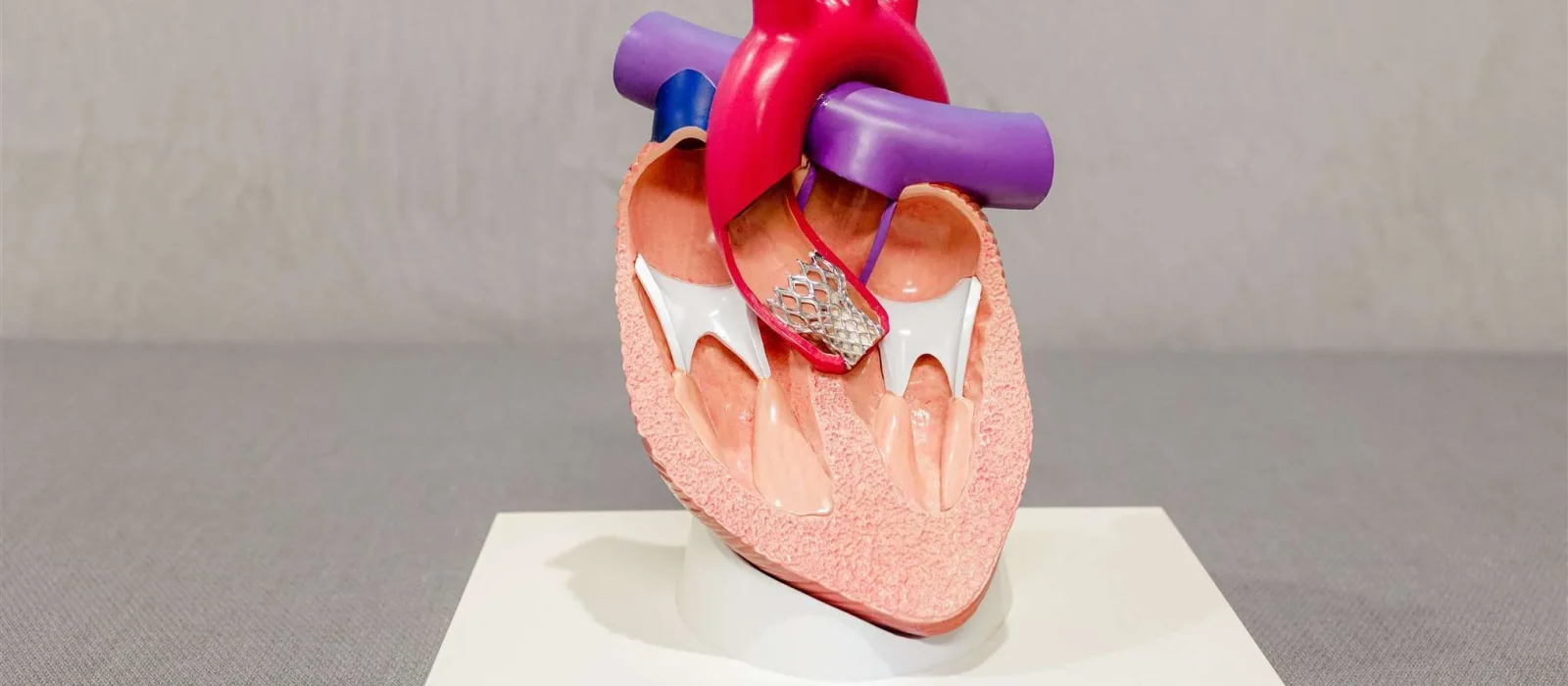
Atrial Septal Defect (ASD) closure is a minimally invasive procedure used to seal a hole in the heart wall between the atria. It is commonly recommended for patients experiencing symptoms like shortness of breath, fatigue, or heart palpitations due to an ASD. This procedure reduces the risk of stroke and heart-related complications, improving overall heart function and quality of life.
Introduction
This guide provides an overview of the Atrial Septal Defect (ASD) closure procedure, which is designed to close a hole in the heart wall between the two upper chambers (atria). It includes details on the purpose, preparation, procedure, risks, and benefits of ASD closure.
Overview
An Atrial Septal Defect (ASD) is a congenital heart defect that results in an opening between the atria. This opening can cause increased blood flow to the lungs, overloading the right side of the heart. The ASD closure procedure aims to seal this opening, preventing abnormal blood flow and reducing the risk of associated complications such as heart failure, pulmonary hypertension, and stroke.
Before & during the procedure
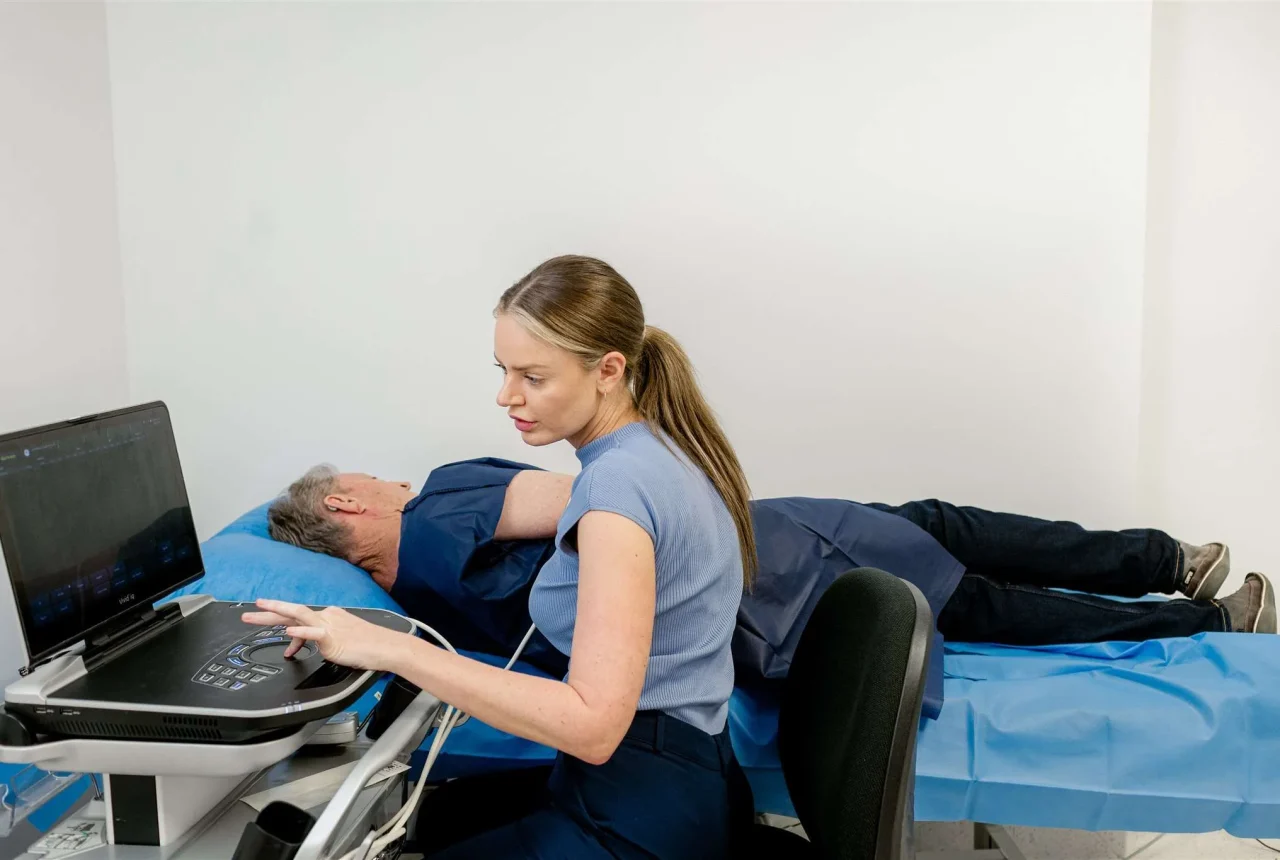
A medical history and physical examination will be conducted to assess your suitability for ASD closure. Tests such as a transesophageal echocardiogram (TEE), CT scan, cardiac MRI, and blood tests will evaluate the defect and your overall health. You may need to fast for 6 hours before the procedure, and some medications may be adjusted.
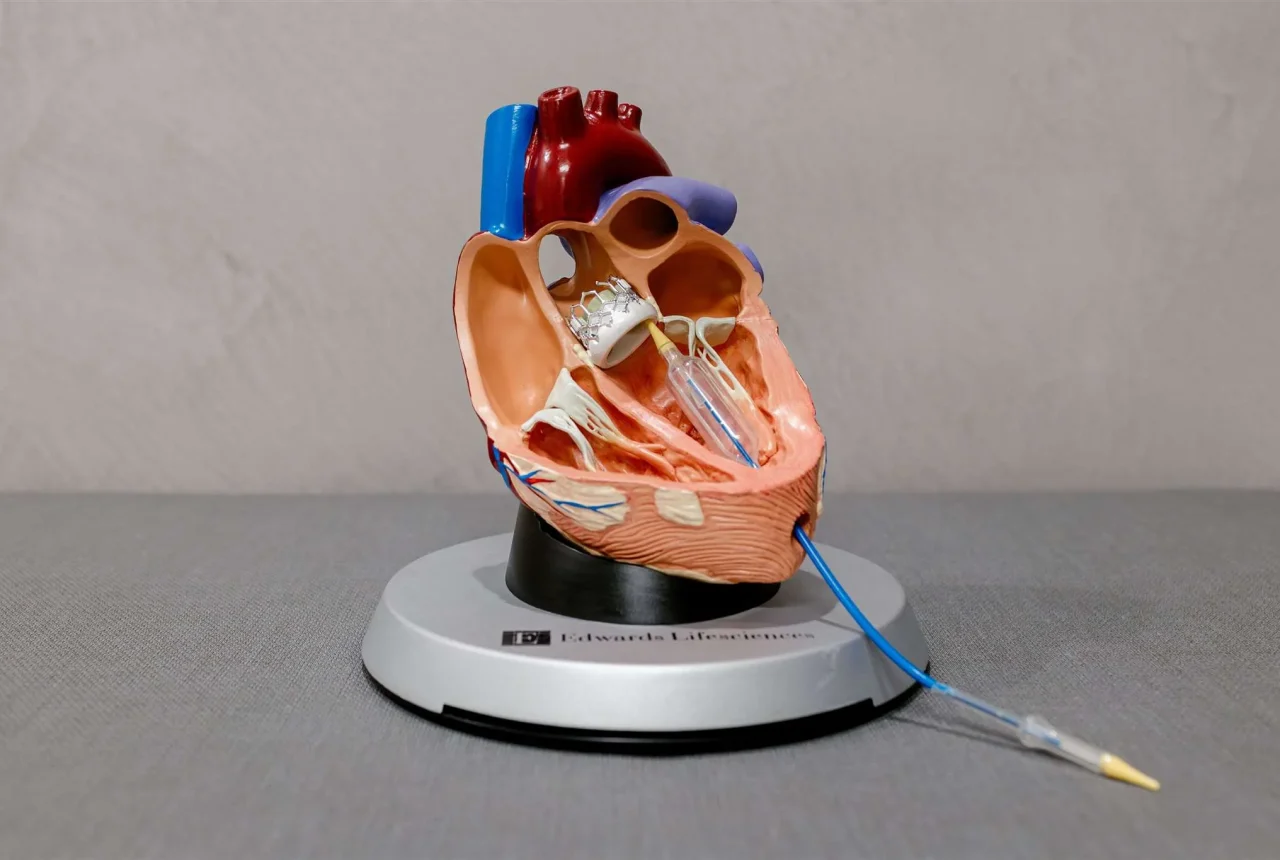
ASD closure is performed under general anesthesia. A catheter is inserted through the femoral vein in your groin and advanced to the heart. Using imaging techniques, a closure device is positioned and deployed across the ASD to seal the defect. Once the device is confirmed to be in place, the catheter is removed, and the access site is closed.

Recovery & aftercare
You will be monitored in a recovery area or ICU. A follow-up echocardiogram will ensure that the device is functioning properly. Medications to manage pain and prevent blood clots will be prescribed. Most patients are discharged within 1-2 days, with specific instructions regarding medications and physical activity restrictions. Regular follow-up appointments will monitor your recovery and the device's effectiveness.
Benefits
- Symptom relief (shortness of breath, fatigue)
- Stroke risk reduction
- Improved heart function
- Minimally invasive
- Improved quality of fife
In summary
ASD closure is a minimally invasive procedure that effectively treats patients with an atrial septal defect. It improves symptoms, reduces the risk of stroke, and helps prevent complications like heart failure and pulmonary hypertension. Understanding the procedure, its risks, and benefits can help you make informed decisions about your care. Always follow your doctor’s advice and attend follow-up appointments to ensure a smooth recovery.
Appointments
Get in touch with us
Please contact our friendly administration staff to schedule an appointment with Dr Peter Hadjipetrou.