


Procedure
Patent Foramen Ovale (PFO) Closure
PFO closure is a minimally invasive procedure used to close abnormal openings in the heart, such as a patent foramen ovale (PFO) or atrial septal defect (ASD).
Patent Foramen Ovale (PFO) closure is a minimally invasive procedure designed to seal a small opening in the heart that may lead to stroke or other complications. It is recommended for patients who have had a cryptogenic stroke or other embolic events. The procedure helps reduce stroke risk and can improve overall quality of life.
Introduction
This information sheet outlines the essential details about Patent Foramen Ovale (PFO) closure, a procedure used to seal a small hole in the heart that remains open after birth. The document explains the purpose, preparation, procedure, risks, and benefits to help patients make informed decisions.

Overview
PFO is a small opening between the heart's upper chambers (atria) that fails to close naturally after birth in some individuals. While often harmless, it can sometimes allow blood clots to pass, potentially leading to stroke. PFO closure is a minimally invasive procedure aimed at sealing the opening to reduce the risk of complications.
Before & during the procedure
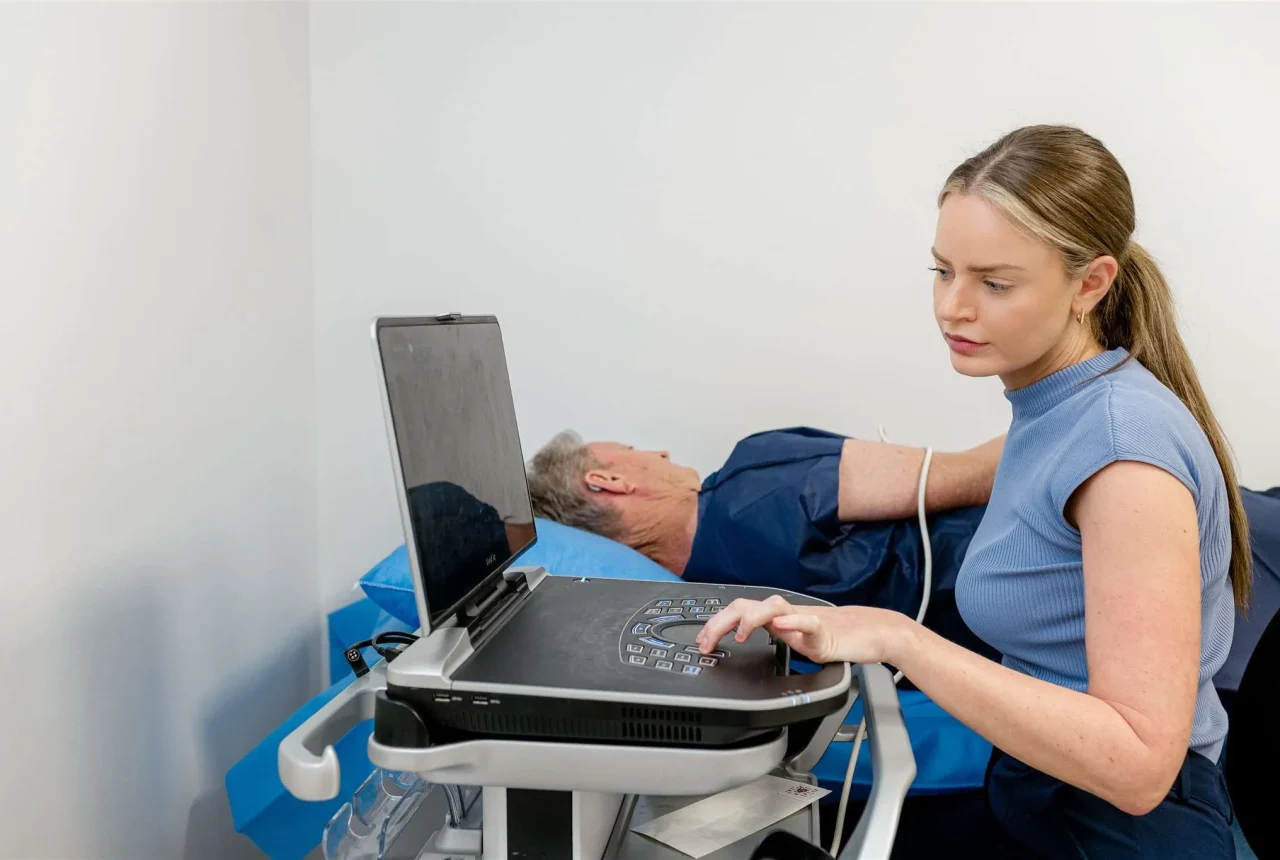
A detailed medical history will be taken, and you will undergo diagnostic tests like a transesophageal echocardiogram (TEE), CT scan, and blood tests. You may need to fast for 6 hours before the procedure and adjust medications under your doctor's guidance.
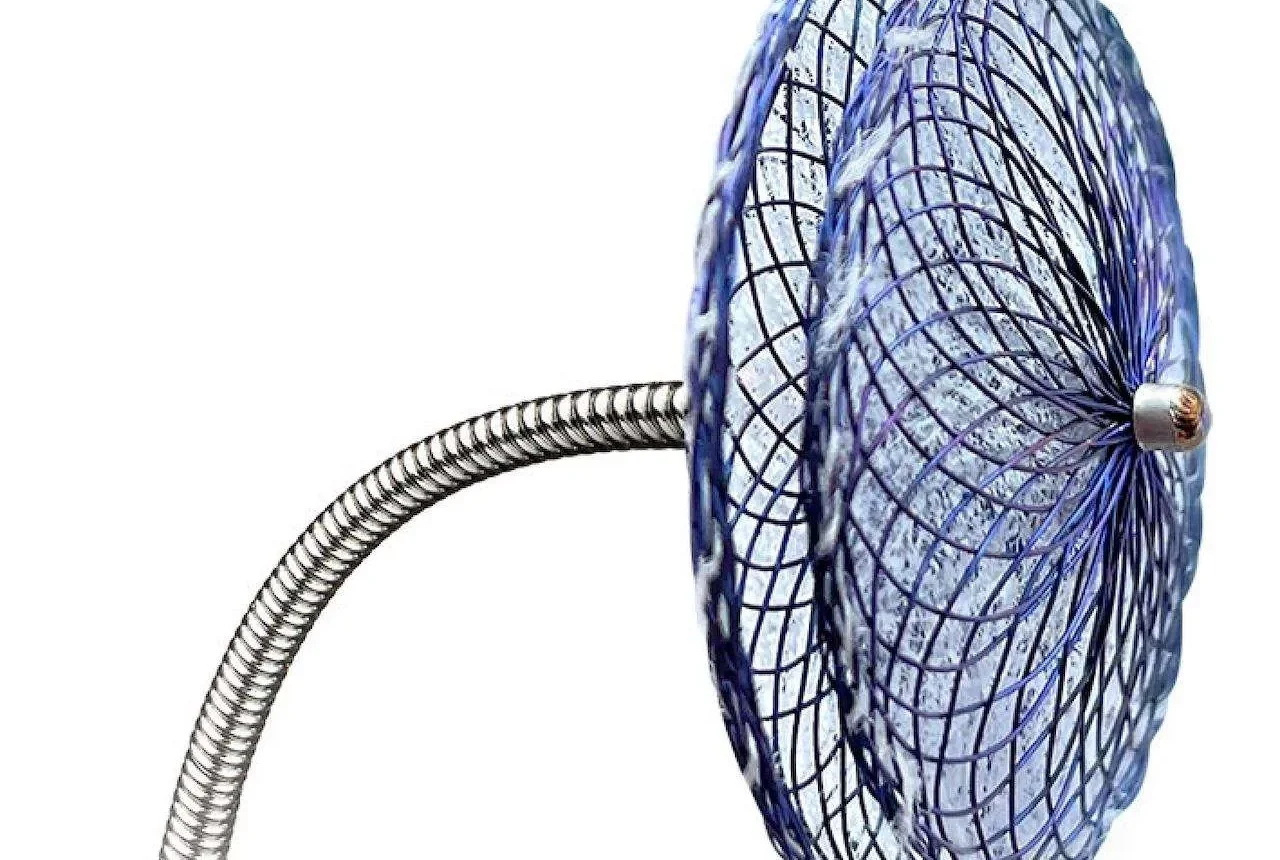
Performed under general anesthesia, the procedure involves inserting a catheter through the femoral vein in your groin. Using real-time imaging, the doctor positions and deploys the closure device across the PFO. Once in place, the catheter is removed, and the access site is closed.
Recovery & aftercare
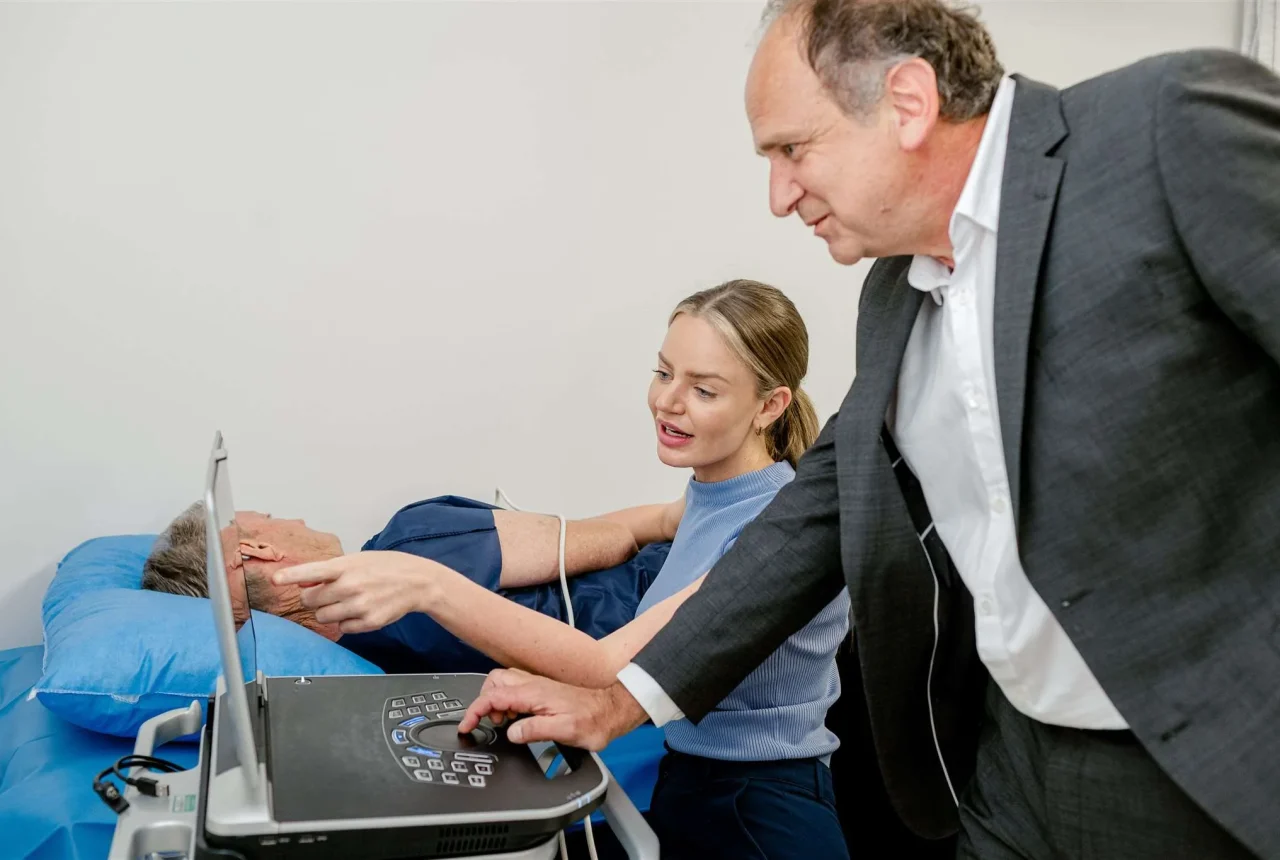
You will be closely monitored in the recovery area. A post-procedure echocardiogram may be performed to verify the device's placement. Typically, a hospital stay of 1-2 days is required. You will be prescribed medications to prevent blood clots, and activity restrictions will be advised. Regular follow-up appointments will ensure proper recovery and device function.
Benefits
- Stroke risk reduction
- Symptom relief for migraine headaches
- Minimally invasive
- Improved quality of life
In summary
PFO closure is an effective procedure to reduce the risk of stroke in patients with this condition. Understanding the procedure's process, risks, and benefits can help you make informed decisions. Our clinic is committed to providing personalized care and support throughout your treatment journey. Please reach out for any further questions or concerns.
Appointments
Get in touch with us
Please contact our friendly administration staff to schedule an appointment with Dr Peter Hadjipetrou.