

Procedure
Left Atrial Appendage Occlusion
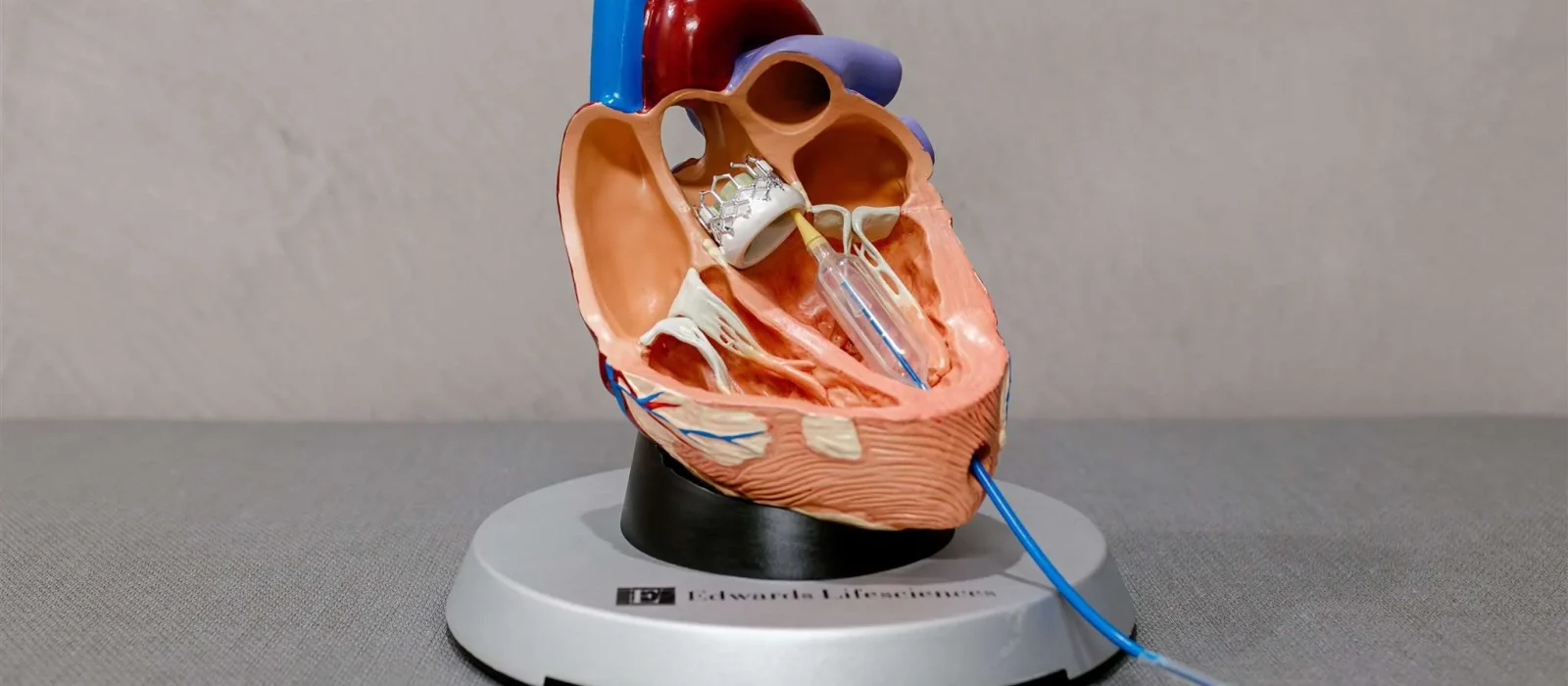
The LAA occlusion procedure is aimed at reducing stroke risk by sealing off this part of the heart.
The Left Atrial Appendage Occlusion (LAAO) procedure is a minimally invasive treatment designed to reduce the risk of stroke in patients with atrial fibrillation (AFib). This procedure offers an alternative to long-term anticoagulant therapy, particularly for patients who cannot tolerate blood thinners.
LAAO involves sealing a small area in the heart, known as the left atrial appendage, to prevent blood clots from forming and causing strokes. It is typically recommended for patients at high risk of stroke due to AFib and offers a solution with a shorter recovery time compared to more invasive procedures.
Introduction
This information provides an overview of the Left Atrial Appendage Occlusion (LAAO) procedure. It is a treatment designed to reduce stroke risk in patients with atrial fibrillation (AFib) who cannot take long-term anticoagulant therapy. Below, you will find details on the purpose of the procedure, how it is performed, what to expect before and after the procedure, and the associated risks and benefits.

Overview
Left Atrial Appendage Occlusion (LAAO) is a minimally invasive procedure intended to reduce the chance of stroke in patients with AFib. The left atrial appendage (LAA) is a small sac in the left atrium of the heart where blood clots may form due to irregular heartbeats caused by AFib. By sealing off the LAA with a specialised device, the procedure prevents blood clots from entering the bloodstream and causing a stroke.
LAAO is typically recommended for patients who have non-valvular atrial fibrillation, are at high risk of stroke, and cannot take blood thinners due to bleeding risks or other contraindications.

Before & during the procedure
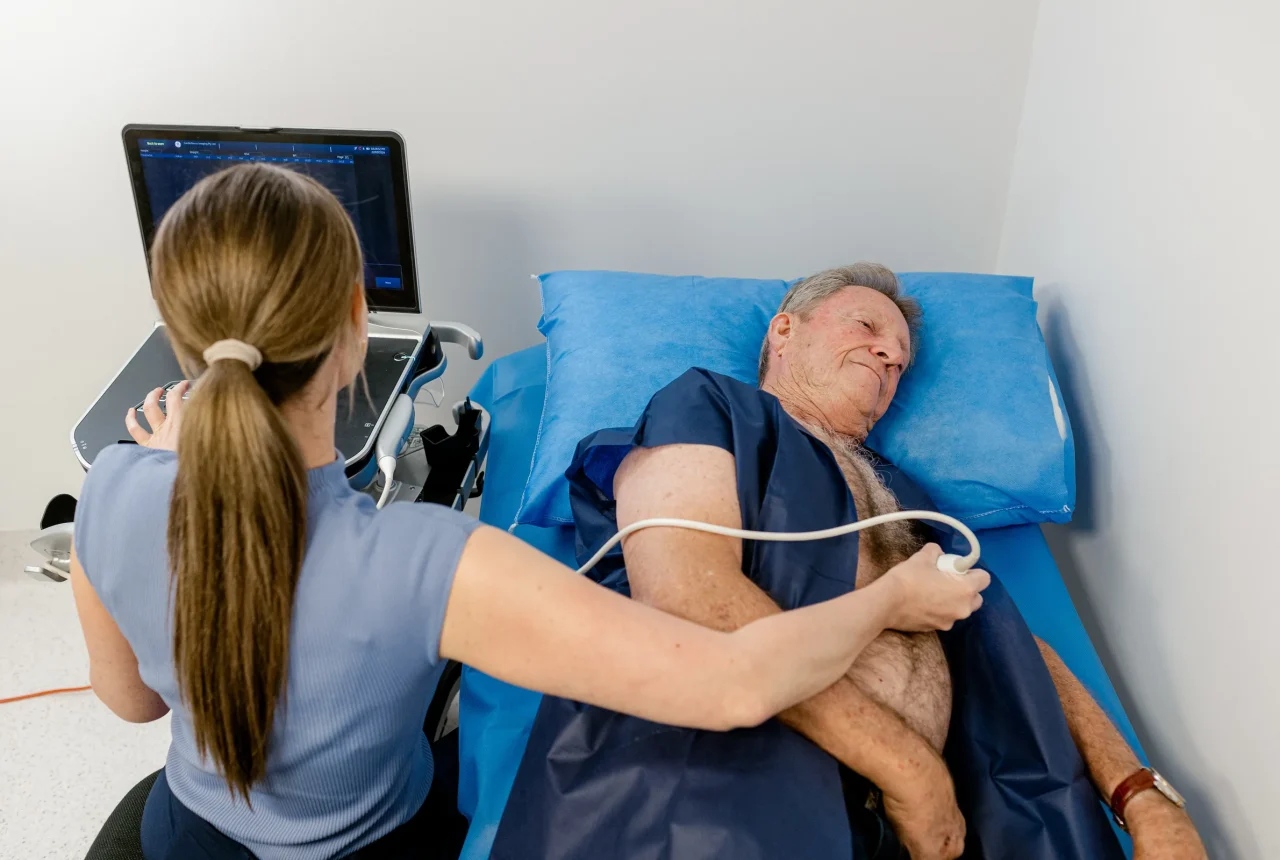
Before the procedure, several tests will be done to assess your suitability. This may include a transesophageal echocardiogram (TEE), a CT scan, blood tests, and an ECG. You may also need to stop taking certain medications and fast for at least six hours before the procedure.
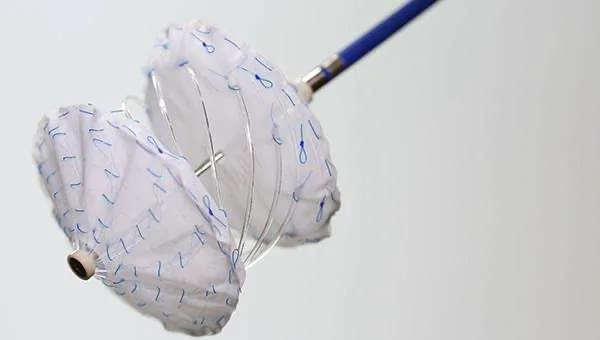
The LAAO procedure is performed under general anaesthesia. A small incision is made in the groin to access the femoral vein, through which catheters are introduced to the heart. A catheter with the occlusion device is advanced to the left atrial appendage, where the device is deployed to seal the area. Imaging techniques are used to ensure the device is correctly positioned and secured.
Recovery & aftercare
After the procedure, you will be closely monitored in a recovery area or intensive care unit (ICU). A transesophageal echocardiogram (TEE) may be performed to check the position of the occlusion device. You will be given medications to manage pain, prevent blood clots, and regulate heart rhythm.
Typically, the hospital stay lasts 1-2 days, but this may vary depending on your recovery and any complications. After discharge, you will need to continue taking prescribed medications and avoid strenuous activities. Follow-up appointments will be scheduled to monitor your progress and the function of the occlusion device.
Benefits
- Significant reduction in stroke risk
- Elimination of long-term anticoagulant therapy
- Minimally invasive with smaller incisions
- Shorter recovery and hospital stay
- Improved overall quality of life
In summary
Left Atrial Appendage Occlusion (LAAO) is an advanced procedure that effectively reduces stroke risk in patients with atrial fibrillation who cannot tolerate long-term anticoagulant therapy. At our clinic, we are dedicated to providing personalised care to ensure the best possible outcomes. Understanding the procedure, along with its risks and benefits, will help you make an informed decision. Be sure to follow all medical advice and attend your scheduled follow-up appointments for optimal recovery.
Appointments
Get in touch with us
Please contact our friendly administration staff to schedule an appointment with Dr Peter Hadjipetrou.