

Procedure
TAVI
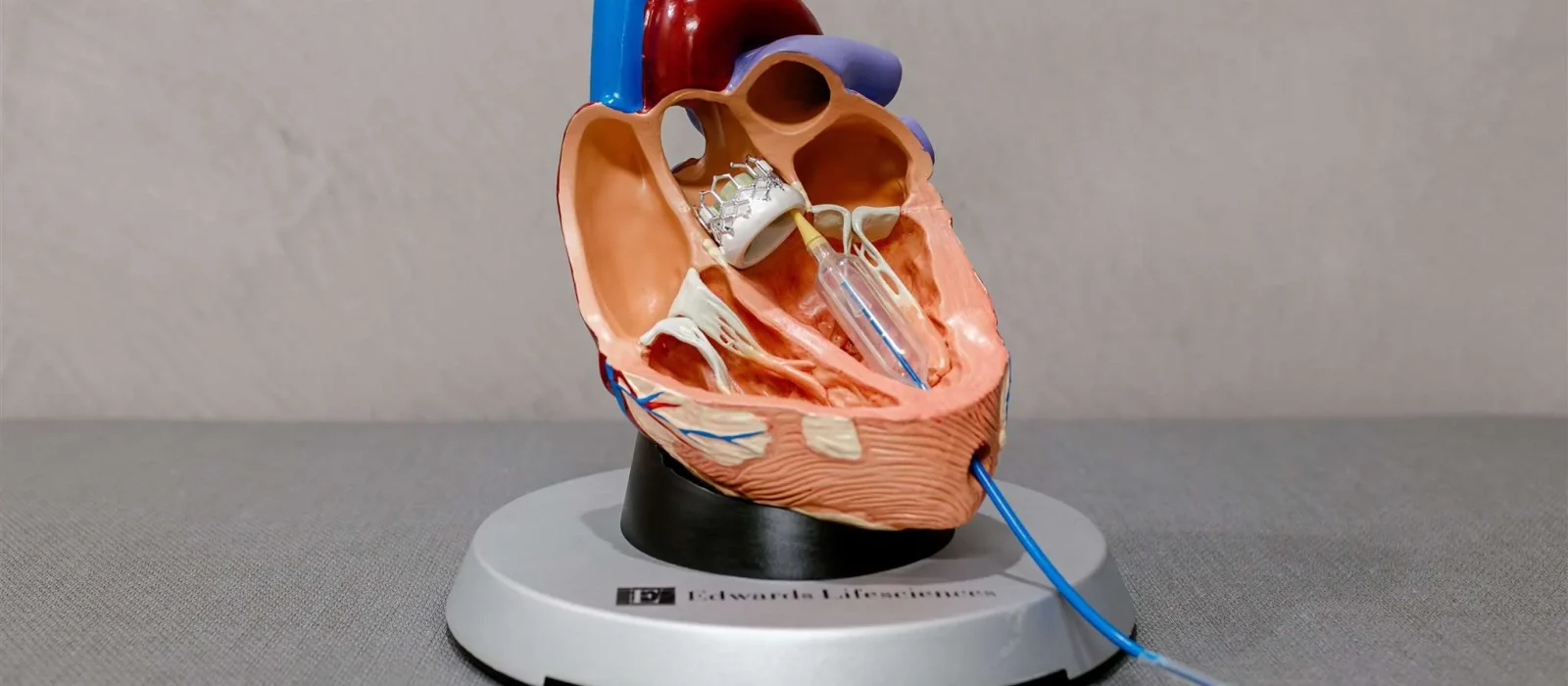
Transcatheter Aortic Valve Implantation is a revolutionary procedure that represents a major advancement in the treatment of aortic stenosis
Transcatheter Aortic Valve Implantation (TAVI) is a minimally invasive procedure used to replace a narrowed aortic valve in patients with severe aortic stenosis. It offers an alternative to open-heart surgery, especially for those at high risk or ineligible for surgical valve replacement.
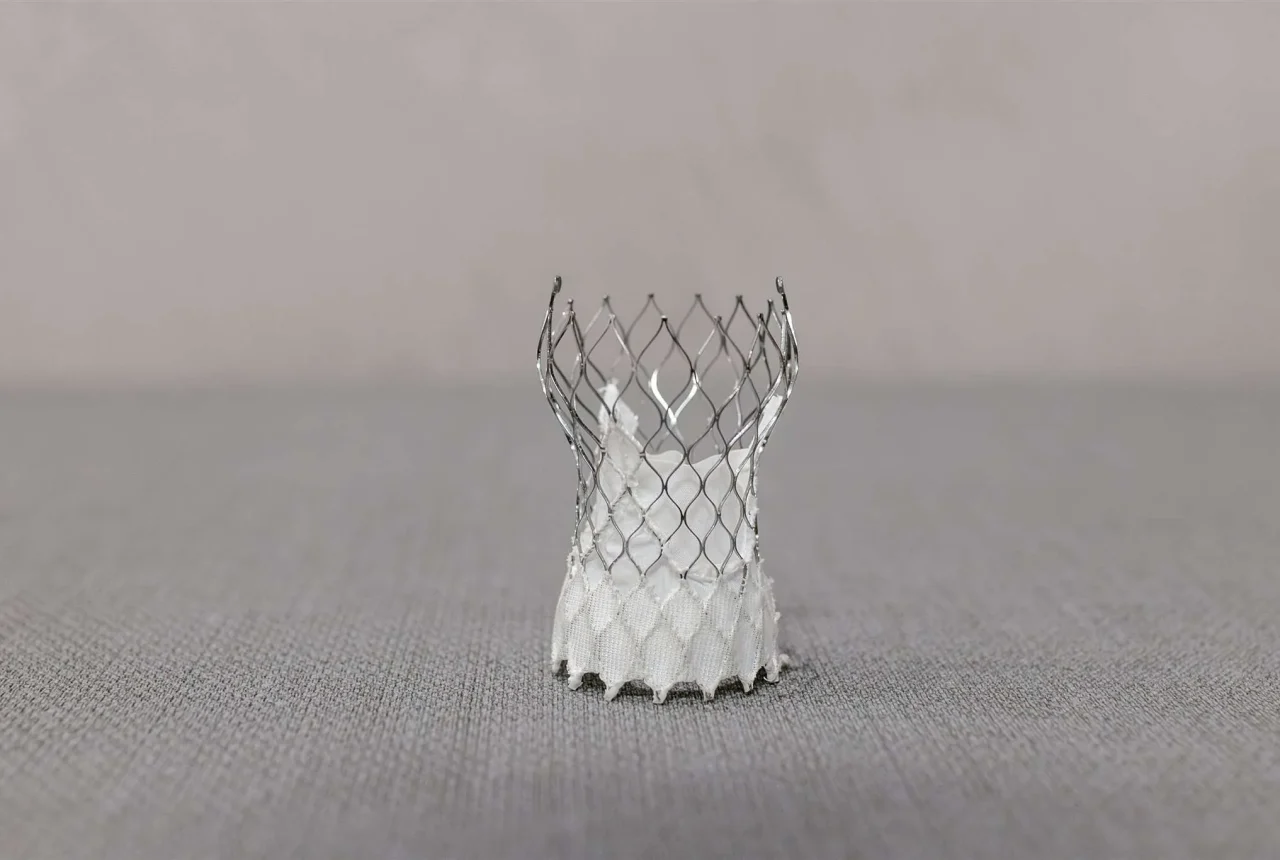
TAVI involves inserting a new valve through a catheter, which is guided to the heart and deployed to restore normal blood flow. This procedure provides significant symptom relief and improved quality of life, with a shorter recovery time compared to traditional surgery.
Introduction
This information sheet provides an overview of Transcatheter Aortic Valve Implantation (TAVI), a minimally invasive procedure used to treat aortic stenosis. The procedure serves as an alternative to open-heart surgery for patients who are high-risk or ineligible for surgical valve replacement. The following sections outline the purpose, process, risks, and benefits of TAVI.
Overview
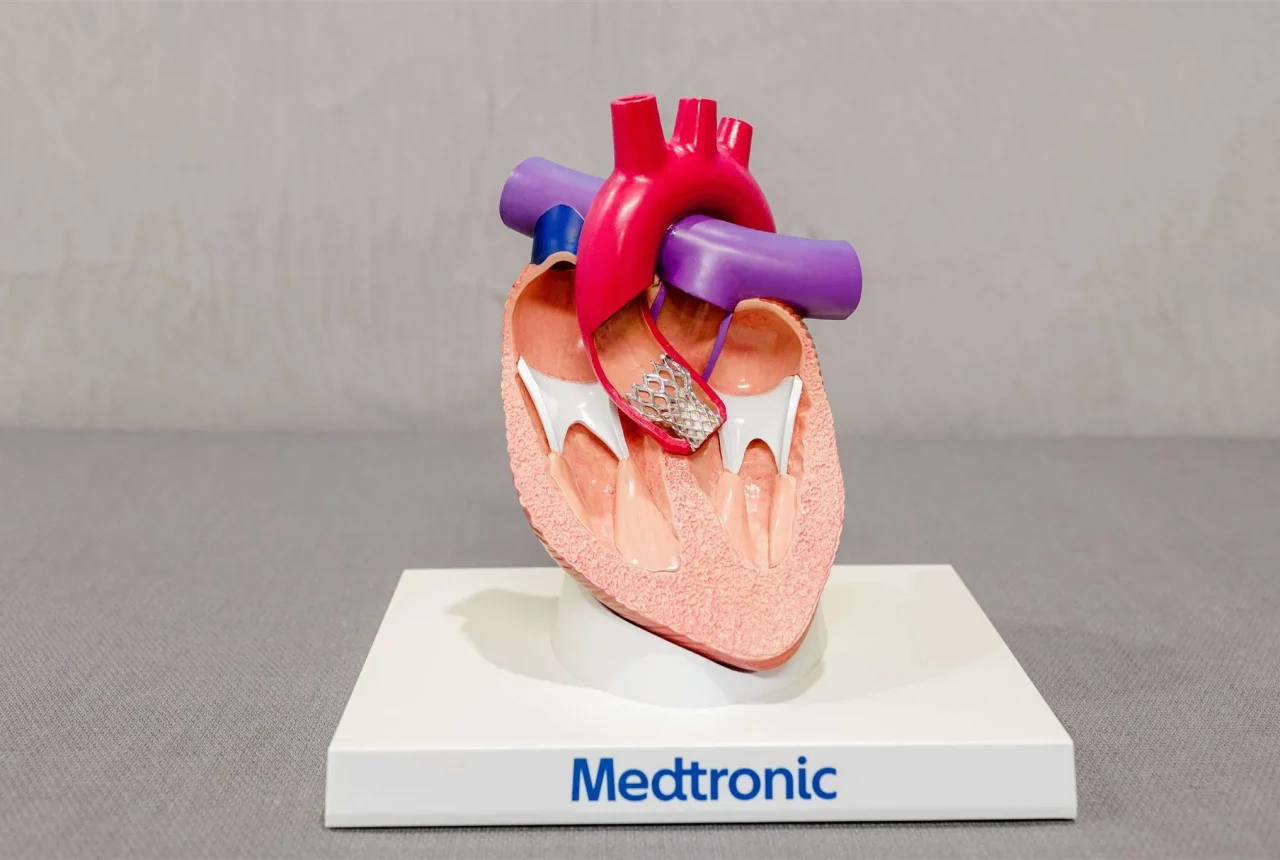
TAVI is a procedure used to replace a narrowed aortic valve that struggles to open properly, a condition known as aortic stenosis. It is performed without the need for open-heart surgery and is typically recommended for patients with severe symptomatic aortic stenosis, especially those for whom surgery poses too high a risk due to age or comorbidities.
The decision to proceed with TAVI is made by a Multidisciplinary Team (MDT) of cardiologists, surgeons, and other healthcare professionals who assess the patient's overall condition and preferences.
Before & during the procedure
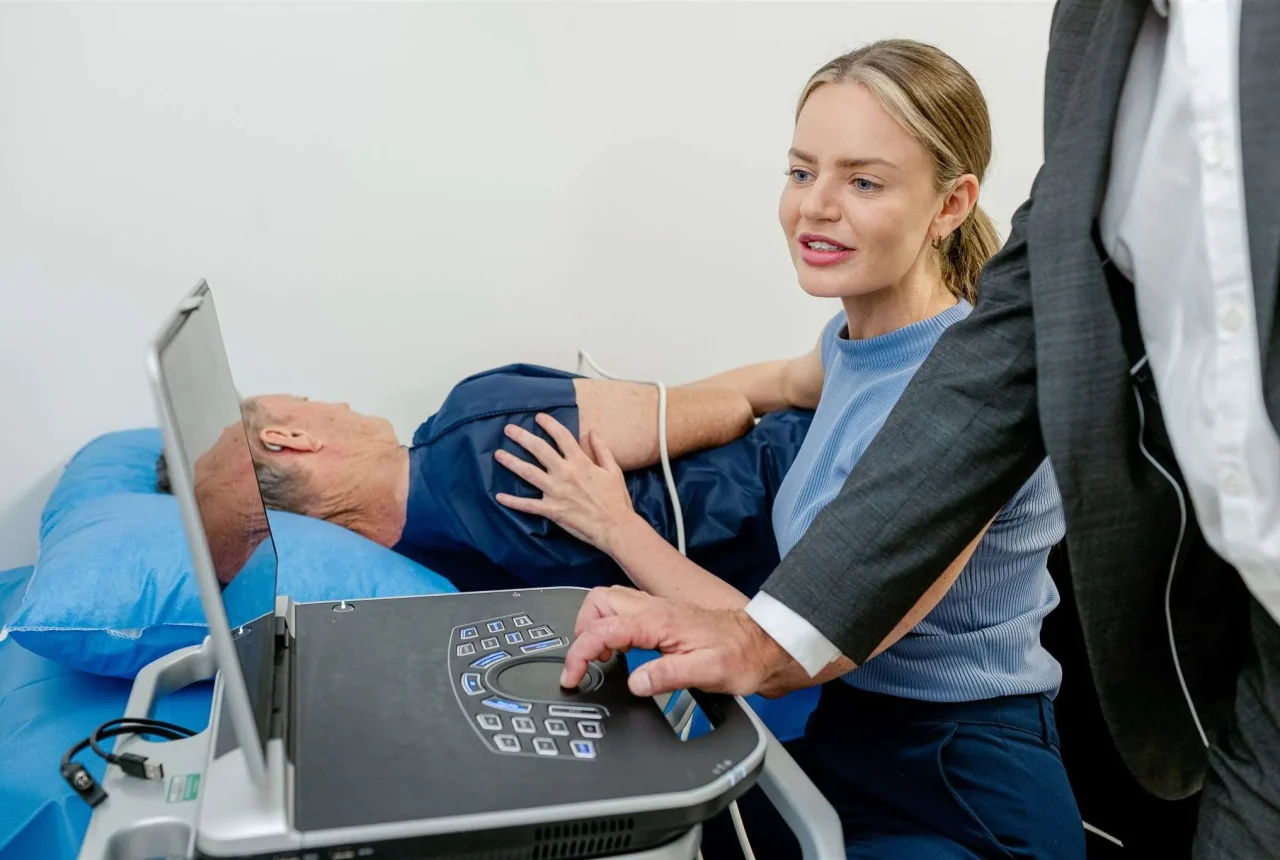
Before the procedure, you will undergo tests such as an echocardiogram, CT scan, coronary angiography, and blood tests to evaluate your heart and overall health. You may need to adjust medications and fast for at least six hours beforehand. The procedure itself can be done using local anesthesia and sedation or general anesthesia, depending on your health and the complexity of the case.
A catheter is inserted into the femoral artery (or an alternative access point) and guided to the heart, where a new valve is positioned and deployed to replace the narrowed valve. Recovery involves close monitoring and typically requires a hospital stay of 3-5 days.
Recovery & aftercare
After the procedure, you will be closely monitored in a recovery area or intensive care unit (ICU) to ensure stable heart function, blood pressure, and proper healing of the access site. A post-procedure echocardiogram may be performed to check the functionality of the new valve. Medications will be prescribed to manage pain, prevent blood clots, and regulate blood pressure.
The typical hospital stay is 3-5 days, depending on your individual recovery progress and any complications that might arise. After discharge, you’ll be advised to avoid strenuous activities and gradually return to normal routines, with follow-up appointments scheduled to monitor the success of the procedure.
Benefits
- Significant symptom relief
- Improved quality of life
- Reduced risk of heart failure
- Minimally invasive with quicker recovery
In summary
TAVI is an effective treatment for severe aortic stenosis, especially for patients who are not suitable for traditional surgery. The procedure significantly improves symptoms and quality of life with lower recovery time. Understanding the process and associated risks and benefits can help you make an informed decision. Always follow your doctor’s advice and attend scheduled follow-up appointments for optimal recovery and care.
Appointments
Get in touch with us
Please contact our friendly administration staff to schedule an appointment with Dr Peter Hadjipetrou.