


Procedure
Coronary Angiography and Angioplasty
A coronary angioplasty is a procedure used to widen blocked or narrowed coronary arteries.
Coronary angioplasty, also known as percutaneous coronary intervention (PCI), is a minimally invasive procedure used to treat blocked or narrowed coronary arteries. It is commonly performed to restore blood flow in patients with coronary artery disease, reducing the risk of heart attacks and improving symptoms such as chest pain (angina).
The procedure involves inflating a small balloon at the site of the blockage to widen the artery, often followed by the placement of a stent to keep the artery open. Coronary angioplasty is effective for treating blockages quickly and offers a faster recovery time compared to more invasive surgeries like coronary bypass surgery.
Introduction
This information provides an overview of coronary angioplasty (percutaneous coronary intervention, PCI). It is a procedure used to treat narrowed or blocked coronary arteries, improving blood flow to the heart. Below, you will find details on the purpose of the procedure, how it is performed, what to expect before and after, and the associated risks and benefits.

Overview
Coronary angioplasty is a minimally invasive procedure used to open blocked or narrowed coronary arteries. It helps restore blood flow, relieving symptoms such as chest pain (angina) and reducing the risk of heart attacks. The procedure involves using a balloon-tipped catheter to widen the artery and often includes placing a stent to keep the artery open.
Angioplasty is typically recommended for patients with stable angina, acute myocardial infarction (heart attack), unstable angina, or significant coronary artery stenosis identified during coronary angiography.

Before & during the procedure
Before the Procedure: A detailed medical history is taken, and you will be asked to sign an informed consent form. Blood tests, ECG, and a chest X-ray are performed. You will need to fast for at least 6 hours before the procedure. Some medications, including anticoagulants, may be temporarily discontinued.
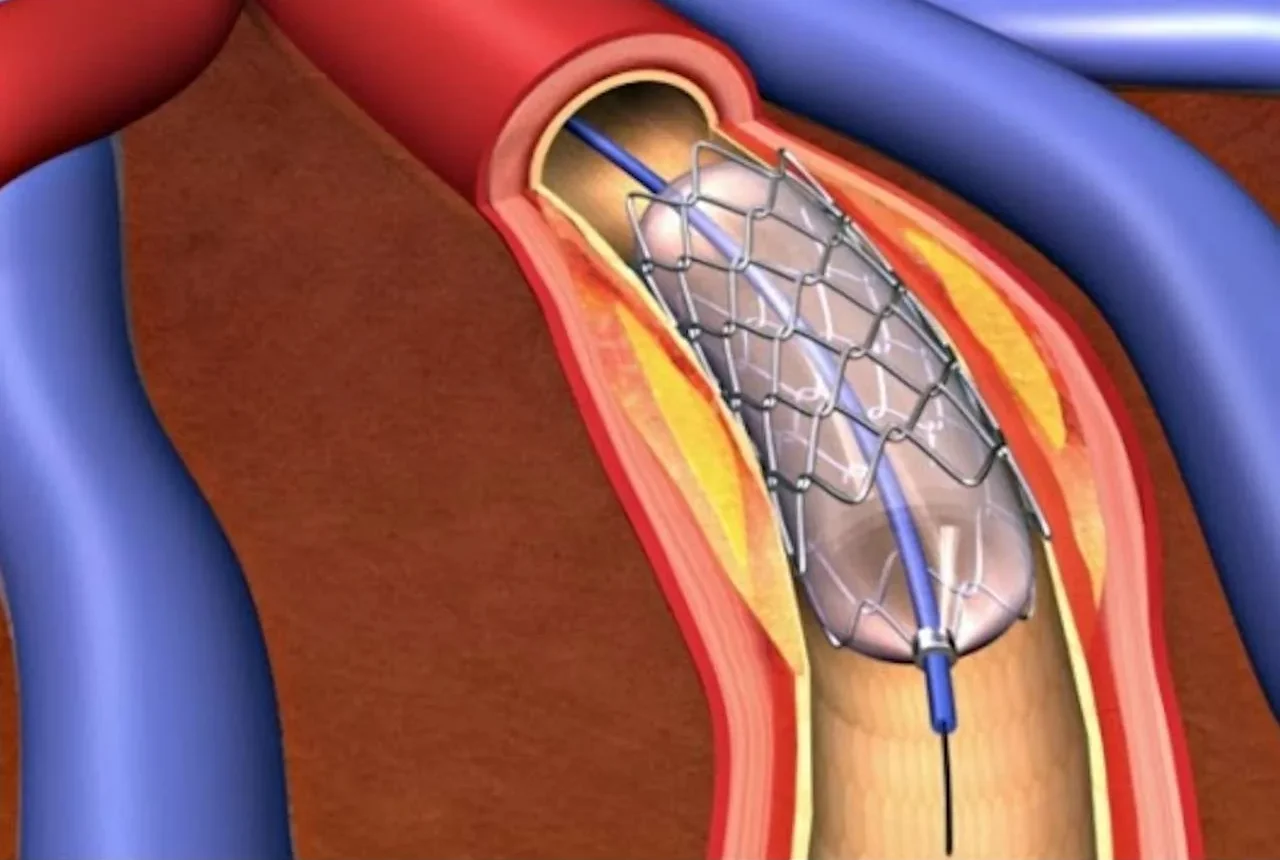
During the Procedure: Local anesthesia is administered at the catheter insertion site (femoral or radial artery). A catheter is inserted and guided to the blocked artery. A balloon is inflated at the blockage site, compressing the plaque and widening the artery. A stent may be placed to ensure the artery remains open. Stents can either be bare-metal or drug-eluting (coated with medication to prevent re-narrowing).
Recovery & aftercare
After the procedure, you will be closely monitored in a recovery area. Bed rest is usually recommended, especially if the femoral artery was used for access. You will be given medications to prevent blood clots and manage any discomfort.
The hospital stay typically lasts 1-2 days, after which you may be discharged. Activity restrictions include avoiding strenuous activities and heavy lifting for a few days. Regular follow-up appointments are essential to monitor recovery and ensure the success of the angioplasty.

Benefits
- Symptom relief (chest pain, angina)
- Improved heart function
- Reduced risk of future heart attacks
- Minimally invasive with quicker recovery
In summary
Coronary angioplasty is an effective procedure for treating coronary artery disease, reducing symptoms and improving heart function. Understanding the procedure, along with its risks and benefits, will help you make an informed decision. Follow your doctor’s advice and attend scheduled follow-up appointments for the best possible outcome.
Appointments
Get in touch with us
Please contact our friendly administration staff to schedule an appointment with Dr Peter Hadjipetrou.